UK Health Standards 2026: Evidence-Based Men's Prostate & Urinary Wellness
Clinical Insight & Prevention

Evidence-Based Guidance for Men's Prostate & Urinary Health in the UK

Waking up at night, sudden urinary urgency, and changes in urinary flow affect over 50% of British men over 50. Learn how evidence-backed botanical nutrition, circadian fluid management, and routine self-checks help restore daily comfort and uninterrupted rest.

1 in 2 Men over 50 experience lower urinary tract changes
IPSS International Standard recognized by UK Urologists
100% Free, private, and confidential wellness portal
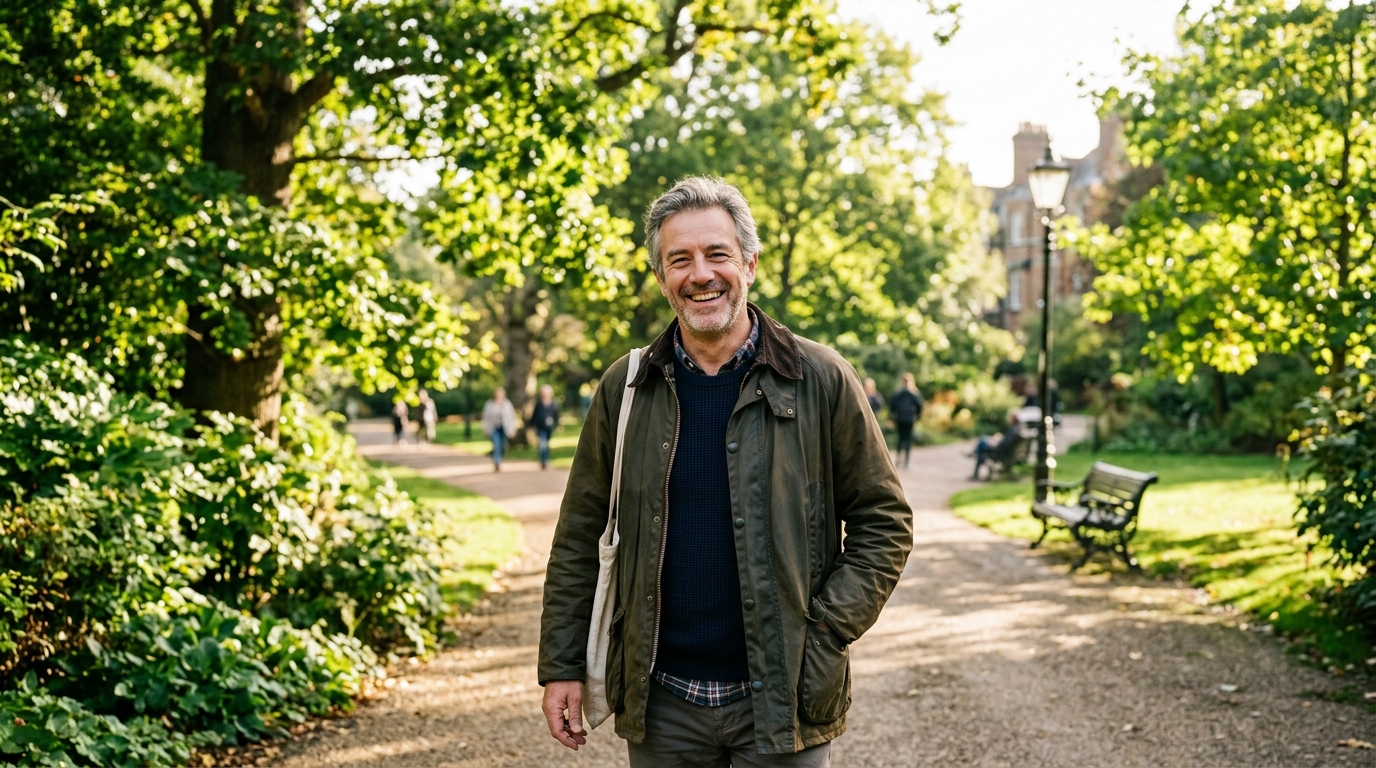
Active healthy mature British man walking outdoors in a London park
✓

Healthy Longevity & Confidence

Proactive care allows British men to remain active, energetic, and free from nighttime disruptions.

Understanding Lower Urinary Tract Health

As men age, the prostate gland naturally undergoes cell proliferation under the influence of dihydrotestosterone (DHT) and local inflammation. Identifying subtle indicators early empowers practical lifestyle decisions.

Night-Time Waking (Nocturia)

Needing to get up two or more times each night fragments restorative REM sleep, contributing to daytime fatigue and cognitive sluggishness.

Flow Dynamics & Urgency

A weakened or stop-and-start urinary stream occurs when the enlarged prostate gently constricts the urethral channel during bladder emptying.

Pelvic & Bladder Tone

Targeted pelvic floor muscle tone (the pubococcygeus group) helps British men regain smooth bladder control and steady intravesical pressure.

Antioxidant & Zinc Defence

The healthy human prostate maintains the highest concentration of zinc and carotenoids of any soft tissue in the male body to buffer oxidative stress.

Interactive Clinical Tool

International Prostate Symptom Score (IPSS) Check

Answer the 5 standard questions below to calculate your personal Prostate Wellness Index and receive structured lifestyle recommendations.

Assessment Standard WHO & NHS Recognized
1 Incomplete Emptying: How often do you feel your bladder is not completely emptied after urinating?
2 Frequency: How often do you need to urinate again less than 2 hours after finishing?
3 Intermittency: How often do you find that you stop and start several times during urination?
4 Urgency: How often do you find it genuinely difficult to postpone or hold your urination?
5 Nocturia: How many times do you typically wake up at night to urinate?
Your IPSS Calculation
6 out of 20
Moderate Symptoms (PWI Level 2)

Your responses indicate mild to moderate lower urinary tract changes. Targeted botanical nutrients, evening fluid restriction, and pelvic relaxation exercises are recommended.

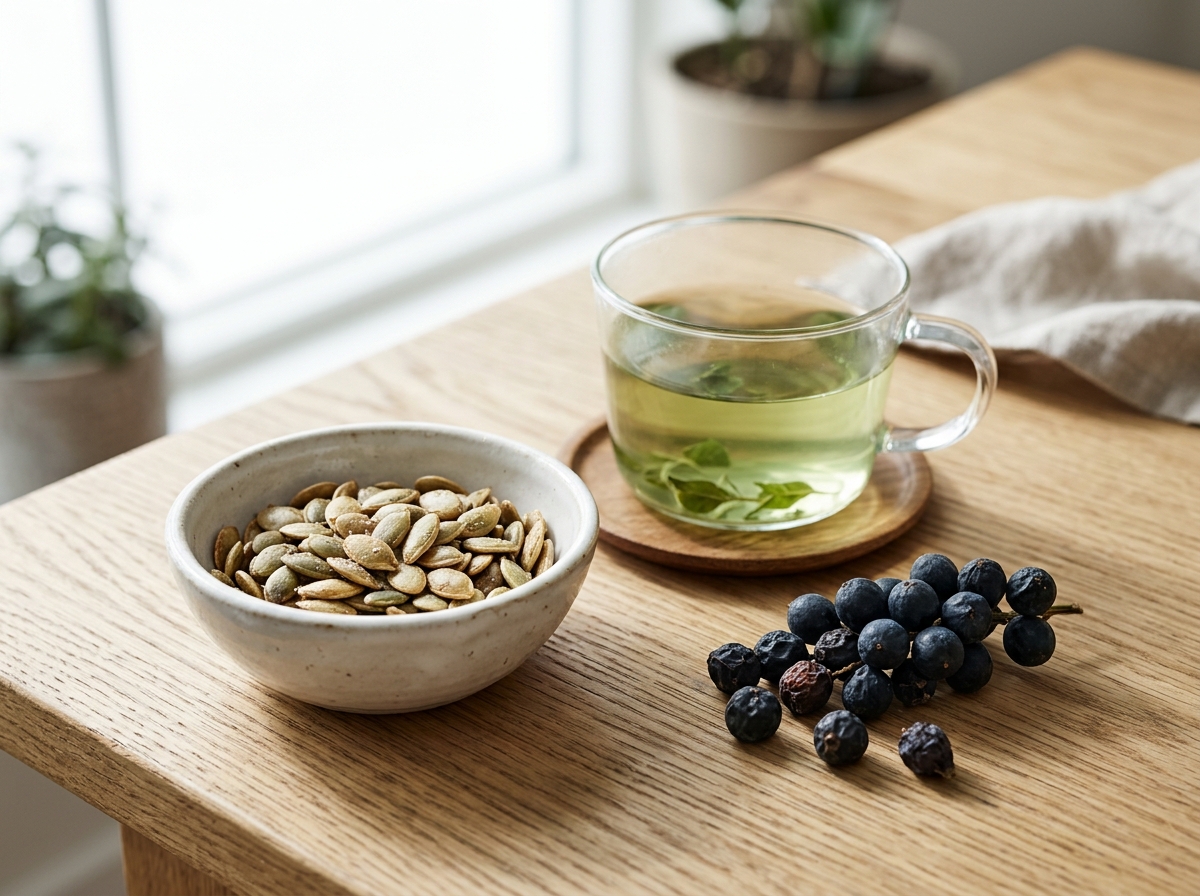
Botanical prostate wellness nutrients including pumpkin seeds, berries, and herbal tea on an oak table

Clinically Studied Phytochemicals for Prostate Vitality

Modern nutritional science focuses on botanical compounds that modulate 5-alpha reductase activity, ease smooth muscle tension in the bladder neck, and supply essential micro-minerals.

  • ✓
    Standardized Saw Palmetto (Serenoa repens) Rich in fatty acids and phytosterols that help inhibit the local conversion of testosterone to DHT within the prostate stroma.
  • ✓
    Cold-Pressed Pumpkin Seed Extract (Cucurbita pepo) High in Delta-7-sterols and natural cucurbitin, widely recommended across Europe for supporting bladder emptying dynamics.
  • ✓
    Bioavailable Zinc Picolinate Crucial co-factor for DNA repair and immune surveillance in prostatic tissue, helping maintain healthy epithelial integrity.
  • ✓
    Natural Tomato Lycopene Extract A potent fat-soluble carotenoid with proven affinity for prostate cell membranes, protecting against lipid peroxidation.

The 4-Step Everyday Lifestyle Routine

Simple circadian adjustments that British urologists and wellness advisors recommend to reduce nocturnal waking and maintain bladder tone.

Step 1

The 7 PM Fluid Window

Drink the majority of your daily 2 litres of water before 6:30 PM. Taper off fluids two hours before bed to minimize midnight bathroom awakenings.

Step 2

Limiting Evening Irritants

Caffeine, dark beers, spirits, and strongly spiced evening meals act as mild bladder stimulants. Opt for chamomile or nettle leaf infusions instead.

Step 3

Pelvic Floor Conditioning

Perform 3 sets of 10 gentle pelvic contractions (Kegels) daily. Strengthening these muscles provides better voluntary control during daytime activities.

Step 4

Consistent Phytosterols

Take your morning botanical nutrients with a meal containing healthy fats (such as avocado or eggs) to optimize absorption of fat-soluble sterols.

Medically Reviewed & Evidence-Based

All educational resources on ProstateCares are reviewed for scientific accuracy in alignment with UK clinical standards and NICE recommendations.

Dr David Finch-Sterling, GMC Registered GP and Men's Health Consultant

Dr. David Finch-Sterling, MBChB, MRCGP

Consultant in General Practice & Men's Health Advisory • GMC No. 6148920

"Prostate health should never be a taboo subject among British men. Too many gentlemen suffer in silence with sleep fragmentation and anxiety, assuming that waking three times a night is simply inevitable. In reality, combining proactive lifestyle adjustments, targeted botanical micronutrients, and routine GP check-ups allows men to preserve their comfort and vitality for decades."

Evidence-Based Guides for UK Men

In-depth educational articles covering biochemical research, circadian sleep medicine, diagnostic scales, and NHS testing standards.

Dietary Nutrients Guide

Examining botanical sterols, saw palmetto liposterols, pumpkin seed oil, and tomato lycopene for urinary health.

Read Clinical Review →

Managing Nocturia & Sleep

Circadian fluid habits, daytime leg elevation, and bladder irritant avoidance to restore continuous nighttime rest.

Read Sleep Protocol →

Understanding the IPSS Scale

How British urologists utilize the 7 clinical dimensions to classify lower urinary tract symptom severity.

Read Scoring Guide →

BPH Lifestyle Management

Non-invasive lifestyle modifications: double voiding, aerobic exercise, and thermal comfort strategies.

Read BPH Guide →

Pelvic Floor Training (Kegels)

Strengthening the pubococcygeus muscle group for enhanced bladder closure and post-void control.

Read Exercise Guide →

PSA Testing in the UK

NHS Prostate Cancer Risk Management Programme (PCRMP), reference brackets, and talking with your GP.

Read NHS Overview →

Frequently Asked Questions

Clear, straightforward answers about prostate wellness, dietary support, and when to seek clinical guidance.

What is the difference between normal age-related prostate enlargement and other conditions? +
Benign Prostatic Hyperplasia (BPH) is an entirely non-malignant gradual enlargement of the central zone of the prostate that commonly occurs with ageing. However, because early urinary symptoms can overlap with other urological conditions, British men over 50 are always encouraged to schedule a routine baseline PSA blood check with their NHS GP.
How quickly can lifestyle and botanical changes improve urinary comfort? +
Circadian fluid management often yields noticeable reductions in nighttime waking within 3 to 7 days. Botanical extracts such as Saw Palmetto and Pumpkin Seed phytosterols typically require 4 to 8 weeks of daily consistency to support smooth muscle tone and steady flow dynamics.
Are there specific red flags where I should see my NHS GP immediately? +
Yes. You should contact your GP surgery promptly if you experience visible blood in your urine (haematuria), severe sudden inability to urinate (acute retention), burning sensations accompanied by fever, or unexplained pelvic pain.
Is the IPSS self-assessment confidential? +
100% confidential. Your responses are calculated entirely within your web browser. No personal health information or quiz answers are transmitted, stored on remote servers, or shared with third parties.